
How anti-microbial and air-purifying blind fabrics will rise in 2026
Jan/08/2026 01:38:10
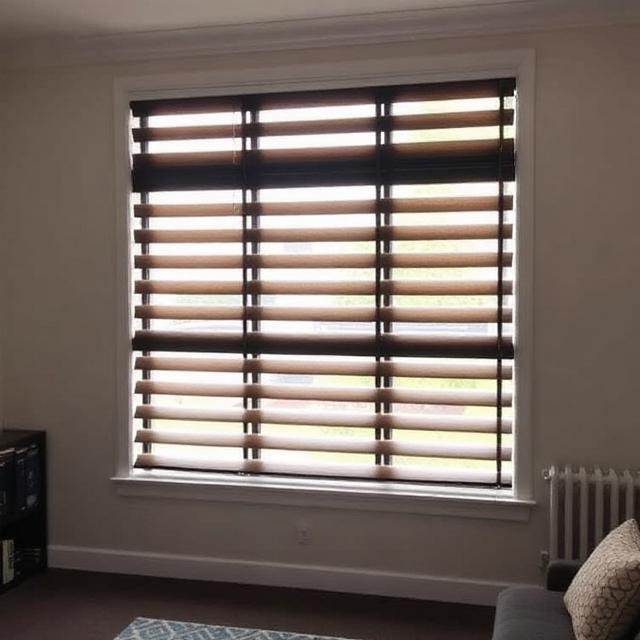
In Geelong homes, blinds have always done two jobs. They manage light and help control heat. In 2026, they are taking on a third role that matters just as much. Improving the air you breathe. As health awareness, coastal living, and energy standards collide, blinds in Geelong are evolving from passive furnishings into active performance features.
Why health-driven fabrics are gaining ground
Indoor air quality is now part of the design conversation. With homes sealed tighter for energy efficiency, pollutants have fewer escape routes. Anti-microbial and air-purifying blind fabrics respond directly to this shift.
1. Titanium dioxide coatings react with light to break down VOCs from paints, furniture, and cleaning products.
2. Anti-microbial surfaces reduce the build-up of mould, bacteria, and allergens, a growing concern in Geelong’s coastal humidity.
3. Self-cleaning fabric technology reduces salt residue and airborne grime, making blinds more hygienic in high-traffic areas.
The result is window coverings that do more than filter sunlight. They actively contribute to a healthier indoor environment.
Blinds that work as hard as the building
Modern homes demand materials that perform quietly in the background. In busy family spaces and coastal properties, fabrics that resist moisture and neutralise pollutants reduce maintenance while supporting everyday wellbeing. This is why 2026 blind choices are being driven by function as much as style.
The numbers architects are paying attention to
As new builds push toward higher energy ratings, shading is increasingly specified using performance data rather than appearance alone.
1. G-Value measures the amount of solar heat that enters the home through the combined effects of glazing and shading.
2. U-Value reflects how well the system insulates against heat loss and gain.
3. Fabric colour and weave density directly influence both values, altering how much heat is absorbed, reflected, or transmitted.
In Geelong’s mixed climate, these metrics help architects fine-tune comfort without overloading mechanical cooling.
Data-driven shading is the new standard
Designing for a 7-star energy-rated home in Victoria now depends on how every surface performs. Blinds are no exception. When specified correctly, they reduce heat gain, support thermal stability, and improve air quality at the same time.
Where this leaves Geelong homes
The next generation of blinds in Geelong will not just soften light or frame a view. They will clean the air, resist coastal wear, and contribute measurable energy performance. In 2026, the smartest blinds will be the ones you barely notice, quietly protecting health, comfort, and efficiency every day.
Posted by Anonymous


 [PV:183]