
Why is storing old PCs a liability for Sydney offices?
Feb/10/2026 02:42:15
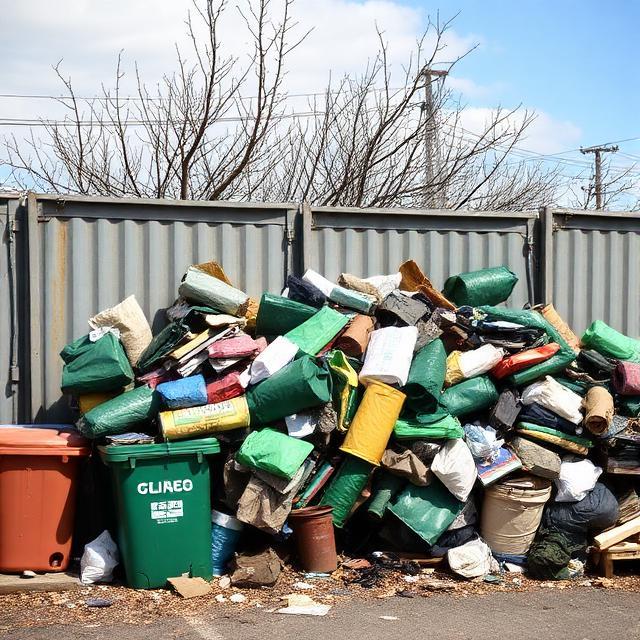
In many Sydney offices, outdated computers end up stacked in storerooms, under desks, or in back corridors. They feel harmless, even responsible, like something to deal with later. In reality, holding onto old hardware has become a growing risk. In 2026, unmanaged e-waste in Sydney is no longer just clutter. It is a liability.
The hidden cost of the “backroom pile”
Old PCs are not inert. Aging lithium batteries degrade over time and can become a genuine fire hazard, especially when stored in warm, poorly ventilated spaces. Beyond safety, there is also what many businesses overlook: the clutter tax.
Unused hardware takes up valuable space, slows down storage access, and quietly reduces operational efficiency. Teams spend time moving around obsolete equipment instead of using the space productively. A once-off, properly managed clean-out often delivers immediate gains in safety, space, and workflow.
Data risk does not end at shutdown
Turning off a computer does not remove the data inside it. Hard drives can still hold sensitive client information, financial records, and internal communications.
This is why physical hard drive destruction is now a legal and practical necessity. Simply wiping files or relying on software erasure is not enough for commercial environments. Securing the hardware retirement chain, from collection to certified destruction, is essential to avoid data breaches and compliance failures.
Knowing where and how to dispose
Sydney offers several responsible pathways for disposal, but not all are suitable for businesses. Local collection points such as Seven Hills facilities and ICC Sydney’s ReGen expo are valuable resources, but they often impose limits.
Household drop-off rules do not always apply to commercial quantities. Offices must separate large-scale business e-waste from consumer streams and use approved commercial recyclers to stay compliant.
From risk to responsibility
Storing obsolete PCs creates silent exposure across safety, data, and compliance. Responsible disposal turns that risk into resolution. By addressing e-waste in Sydney proactively, offices protect their people, their data, and their reputation, while reclaiming space for work that actually moves the business forward.
Posted by Anonymous


 [PV:65]